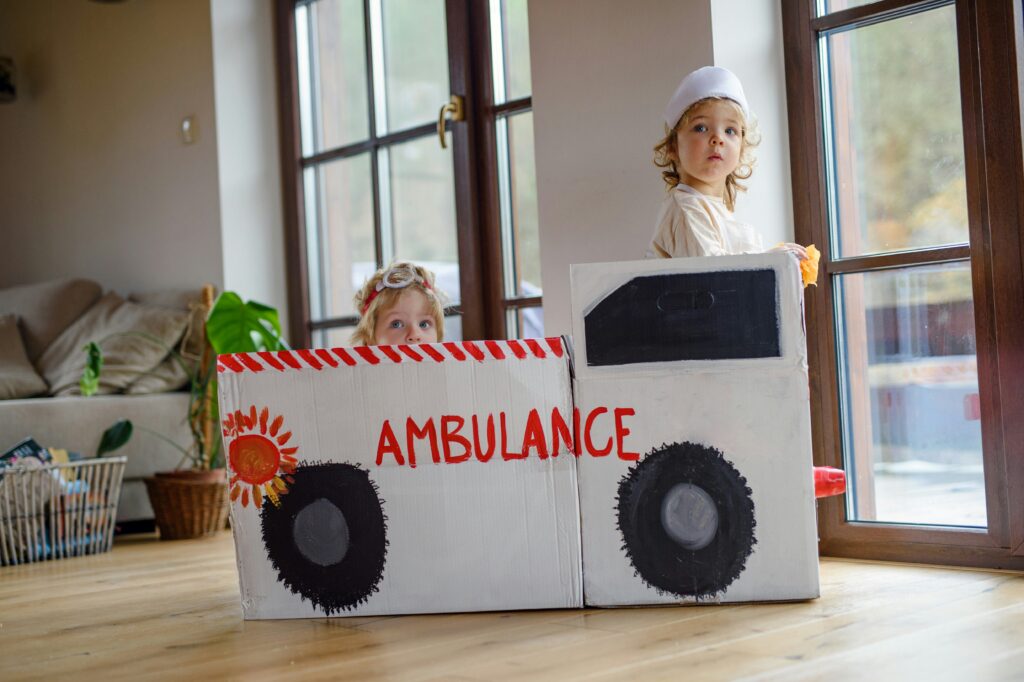


If you’ve ever wondered how your autistic child or teen might respond in an emergency, you’re not alone. Every family wants their child to feel safe, supported, and secure when the unexpected happens. Preparing for emergencies can be an empowering process, one that helps your child build confidence, express their needs, and feel reassured by clear steps and familiar routines. For families, it’s also an opportunity to strengthen understanding and connection. Together, you can build a plan that centers your child’s comfort and sense of safety every step of the way.
Understanding autism in emergency and disaster situations
Autism is a neurodevelopmental condition that shapes how an individual communicates, interacts, and experiences the world. Many autistic children and teens thrive with structure, clear expectations, and routines that feel familiar.
In emergencies, when routines shift quickly, uncertainty and unfamiliar sensory input can make the situation feel overwhelming. This may include:
- Sirens and flashing lights
- Unexpected instructions from, or communication with, unfamiliar people
- Potentially crowded environments
- Experiencing pressure to move quickly
- Safety drills that do not allow for sensory supports that help maintain calm
Responses to these heightened sensory sensitivity moments might look like covering ears, moving away from noise, repeating words, or needing extra time to process directions. These are valid and adaptive ways of responding to stress, ways that help an autistic person find regulation and safety. Understanding these experiences helps families and communities prepare in ways that are individualized and supportive.
Rethinking safety through a neurodiversity lens
Traditional safety plans often take a one-size-fits-all approach, expecting every person to respond in the same way during emergencies. However, autistic children bring unique ways of thinking, communicating, and problem-solving, and these strengths can be valuable in preparedness planning.
Rethinking safety through a neurodiversity lens means shifting the focus from “fixing” differences to creating environments and plans that honor them. We should adapt our plans to reflect their communication styles, sensory preferences, and need for predictability.
When families plan with autistic children, they nurture self-awareness, confidence, and independence. This collaborative approach transforms emergency planning into an empowering process that reflects how your child experiences safety.
Building a supportive emergency plan
1. Personalize the plan
Every autistic child experiences safety and comfort in their own way. Building an emergency plan that reflects your child’s strengths, preferences, and communication style helps preparedness feel predictable and connected. Involve your child in the planning process whenever possible. Observing how your child responds to different situations, what brings calm, what feels challenging, and who they trust during stressful moments, helps shape a plan that works for them.
Consider including:
- Communication methods: spoken words, sign language, AAC devices, gestures, or visual supports
- Sensory supports: favorite toys, noise-canceling headphones, sunglasses, weighted items, or familiar comfort objects
- Trusted people and routines: who to stay close to, what routines bring comfort, and what helps your child feel calmer after a stressful event
- Sensory sensitivities and regulation strategies: what tends to overwhelm your child and what helps them regulate
- Transportation preferences: discuss options in advance, including familiar routes or supports that make travel feel safe in case evacuation is needed
- Coordination with school or program plans: review how your child’s school handles emergencies and share your family’s plan with them for consistency
A simple one-page “My Safety Plan” can summarize these details. Share it with family members, teachers, caregivers, and local first responders. Collaborative planning shows your child that their voice matters, and that their experiences are understood and valued.
2. Practice with predictability
Practicing in small, consistent steps helps make emergencies feel more familiar and less stressful. Predictability can turn uncertainty into confidence by showing your child what to expect.
Try using:
- Visual supports or social stories: to show what will happen during a drill or evacuation in different settings, such as home or school.
- Step-by-step walk-throughs during calm times: of your family’s emergency plan, such as practicing how to exit through a specific door, identifying a safe meeting spot, or using flashlights during a drill.
- Gentle repetition: with positive encouragement, breaks, and opportunities for your child to ask questions and make choices, such as checking safety kit items or choosing comfort items to bring.
According to Rutherford et al., visual supports such as picture cards, schedules, or social stories can help autistic children know what to expect, making unpredictable situations less stressful and reducing feelings of anxiety (2019). When changes happen, using calm, clear language (“We’re going outside to stay safe”) can help to reduce uncertainty. These small acts of predictability create a bridge between the familiar and the new.
3. Plan for sensory needs
Thoughtful planning for sensory needs can help your child feel more comfortable, calm, and in control during emergencies.
You can:
- Create a sensory kit: with items that support regulation, such as headphones, sunglasses, soft or familiar clothing, fidget tools, or preferred snacks.
- Identify quiet or dimly lit spaces: where your child can take breaks during drills or evacuations.
- Include calming strategies: such as deep breathing, stimming, or weighted items.
- Involve your child in choosing what to pack: in order for the tools to feel personal and familiar.
Even small adjustments like dimming harsh lighting, reducing background noise, or allowing breaks, can make a meaningful difference.
4. Support communication in every form
Emergencies can make communication more challenging, especially when there are increased stress levels. Planning ahead ensures your child’s needs, preferences, and choices are understood, helping them feel safe.
You can:
- Provide visual support: such as, fully charged AAd devices, picture boards, or cards with phrases such as “I need quiet,” “I need help,” “I need space,” or “I’m feeling scared.”
- Share communication preferences: provide your child’s communication preferences with teachers, caregivers, first responders, and anyone else involved in your child’s emergency plan.
Planning for children and teens with higher support needs
For children and teens with higher support needs, or co-occurring medical conditions, individualized planning is essential. An emergency plan might include important medical information such as medication lists, care instructions, and the names and contact information of healthcare providers. It can also describe communication and regulation supports, including alternative communication systems, visual cues, or strategies your child uses to regulate.
Mobility aids, medical equipment, and familiar comfort items that help with sensory or emotional regulation are also important to include. Some families find medical ID bracelets for their children to be helpful when providing essential information to first responders quickly. Collaboration with trusted caregivers, teachers, therapists, and medical professionals ensures everyone understands how to best support your child.
Supporting family and caregivers
Caring for your child’s safety also means prioritizing your own well-being. Emergencies can be emotionally and physically demanding, and recognizing the effort you put into planning, practicing, and advocating is important.
Building a support network of friends, family, and professionals can help lighten the load and ensure someone is available to assist if needed. Partnering with schools, caregivers, and first responders by sharing your child’s safety plan ahead of time promotes understanding and smoother coordination during emergencies. Registering for local emergency alerts in your community can provide timely information and peace of mind.
Finally, advocating for inclusive approaches, such as sensory-friendly practices and communication-aware responses benefit not only your child, but also other families in the community, creating safer and more supportive environments for everyone.
Key takeaways
In preparing for disasters, the most meaningful step is tailoring your plan to reflect your child’s communication style, sensory preferences, and strengths. Practicing with visuals, rehearsals, and familiar cues helps transform uncertainty into confidence. Keeping communication tools accessible and sharing those preferences with caregivers, schools, and responders ensures your child’s voice is heard. For children with higher support needs, detailed planning, including medical information and comfort items, builds safety.
As you create these preparations, remember to care for yourself: lean on community and collaborate with professionals, so that your family is supported. When families and autistic children prepare together for unexpected moments, they build more than readiness, they build trust, empowerment, and connection.
References
- Rutherford, M., Baxter, J., Grayson, Z., Johnston, L., & O’Hare, A. (2019). Visual supports at home and in the community for individuals with autism spectrum disorders: A scoping review. Autism, 24(2), 447-469. https://doi.org/10.1177/1362361319871756