

For many families, the Fourth of July is all about cookouts, fireworks, and patriotic chaos. But for neurodivergent kids — especially those with autism — it can be an overwhelming storm of sensory overload, disrupted routines, and social pressure.
If your child is autistic, or you’re parenting a mix of neurotypes, you already know: what looks like “fun” on the outside can feel like survival mode on the inside. And no, you’re not the only one who’s quietly dreading it.
Here’s how to approach the holiday differently — without guilt, and with your child’s nervous system in mind.
1. Start with what your child needs — not what is expected.
Some autistic kids experience sensory sensitivities to sound, smell, crowds, and unpredictability. Fireworks, parades, or even just the buzz of a backyard BBQ can be more than uncomfortable — they can be distressing or even dysregulating.
Take stock of what’s worked (or not worked) in the past. And don’t be afraid to ditch traditions that don’t serve your family. You’re allowed to choose peace over pressure.
Research shows that offering autistic children control and predictability around sensory input — such as using noise-canceling headphones, preparing visuals, or offering safe “outs” — can reduce anxiety and prevent meltdowns (Miller et al., 2007; Koenig & Rudney, 2010; National Autistic Society, n.d.).
2. Pre-game the day: preview, practice, prep.
If your autistic child thrives with clear expectations and routines, Fourth of July’s changes in environment, activity, or noise levels can be jarring. The best antidote? Preparation.
- Talk it through: Use visuals, social stories, or videos to preview what might happen.
- Make a “Plan B”: Let your child know it’s okay to leave early or skip certain parts.
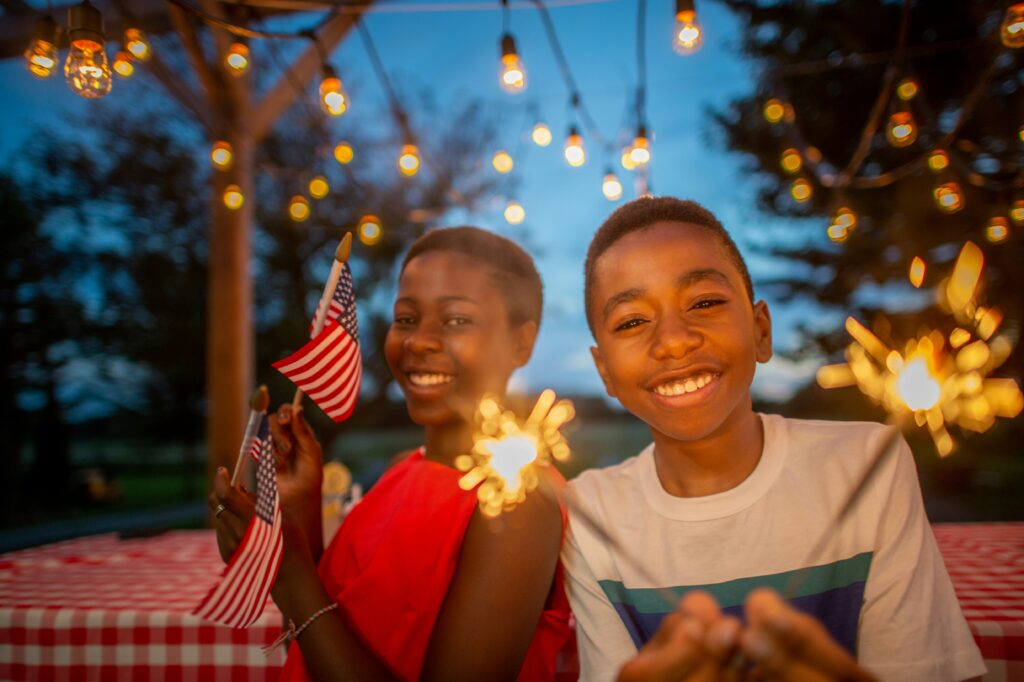
- Practice with mini-sensory exposures: Try sparklers or headphone-friendly firework videos ahead of time if they’re interested.
This isn’t about forcing “tolerance” — it’s about offering safety, scaffolding, and support.
3. Create a sensory-safe Fourth of July celebration.
Instead of braving the big crowds or loud firework shows, consider building your own calm celebration at home:
- Glow sticks instead of fireworks
- Noise-canceling headphones if you’re near loud noises
- Backyard picnic with familiar foods
- “Calm kit” with fidgets, headphones, snacks, and comfort items
These simple adjustments can turn July 4th into something your child actually enjoys — and something you feel good about, too.
If you’re opting out of traditional festivities, you’re not alone — even if it sometimes feels like it.
In fact, many parents in the Avela Health community are creating their own versions of the holiday. Some are organizing sensory-friendly playdates, others are celebrating on July 3rd or 5th when things are quieter. Many are just letting the day be low-key and pressure-free.
This isn’t “missing out.” It’s reclaiming the holiday in a way that works for your family — and that’s worth celebrating.
4. What if there’s a meltdown? You’re still doing it right.
Even with the best planning, dysregulation can happen — especially when routines are off or the environment is unpredictable.
If your child melts down, shuts down, or needs to leave, it doesn’t mean you failed. It means your child is communicating, and your job is to co-regulate and keep them safe.
Remember: success isn’t measured by how “typical” your celebration looks. It’s measured by how safe and supported your child feels.
5. Use the Fourth of July to celebrate your family’s independence too
The irony of the Fourth of July is not lost on many neurodivergent families. While others celebrate independence, we’re often just trying to get through the day without judgment, dysregulation, or burnout.
But maybe that’s exactly the point. Maybe our version of independence looks like this:
- Protecting our kids’ nervous systems.
- Saying no to traditions that don’t fit.
- Choosing connection over conformity.
- Building new traditions that feel like home.
That’s not just parenting — that’s revolution. And at Avela Health, we’re here for it.