

In a world filled with buzzing lights, humming machines, crowded places, and nonstop notifications, our brains are constantly filtering and interpreting sensory information. For some people, however, this sensory input can quickly become overwhelming, leading to what is commonly known as sensory overload.
Sensory overload isn’t a behavioral issue or a sign of weakness. It is a valid neurological experience rooted in how the brain processes sensory input. From a neurodiversity-affirming lens, we recognize that individuals have different sensory processing styles and needs, and those differences should be respected, accommodated, and supported.
What is sensory processing?
Sensory processing refers to the way our nervous system receives, organizes, and interprets sensory input from our environment and our bodies. This includes the traditional five senses (sight, sound, smell, taste, and touch), but also other sensory systems like:
- Proprioception – the sense of body position and movement
- Vestibular – the sense of balance and spatial orientation
- Interoception – internal sensations like hunger, heartbeat, or emotional state
Sensory input is happening constantly, even when we’re not aware of it. Most brains automatically filter and prioritize which sensory messages to respond to and which to ignore. For example, we may tune out background noise while reading or adjust to the feeling of an itchy sweater after a few minutes.
But for others, especially those who are autistic, have ADHD, or have sensory processing differences, this filtering system works differently. Sensory input may be heightened (hypersensitive), reduced (hyposensitive), or inconsistent, which can lead to discomfort, anxiety, distress, or confusion in certain environments.
The biology and physiology of sensory processing
Sensory processing is a biological and neurological function that begins with sensory receptors located throughout the body. These sensors in our body pick up information from the world around us—like sound, light, and touch—and send it to the brain using messengers called sensory nerves. Once the brain gets these messages, different parts like the brainstem, thalamus, and sensory centers work together to understand what’s happening and decide how the body should respond. In people with sensory processing differences, research suggests variations in brain connectivity, sensory gating, and autonomic regulation may contribute to a heightened or delayed response to sensory input (Marco et al., 2011).
What is sensory overload?
Sensory overload occurs when the brain is inundated with more sensory input than it can effectively process or organize. This isn’t merely a dislike of certain stimuli—it reflects a neurological challenge in filtering and prioritizing incoming information. When multiple sensory systems are activated simultaneously—such as loud noises, bright lights, or strong smells—the brain may struggle to regulate these signals. This can result in a state of overwhelm, where the individual experiences heightened stress, discomfort, or even emotional dysregulation as the nervous system becomes overstimulated.
From a neurodiversity-affirming perspective, sensory overload is understood as a valid and natural response to an environment that doesn’t support a person’s sensory needs. Rather than seeing the individual as the issue, we recognize that the environment plays a key role in creating conditions that can lead to distress, anxiety, or a feeling of being overwhelmed.
Who experiences sensory overload?
While anyone can experience sensory overload—especially in high-stimulation settings like concerts, malls, or airports—some individuals are more prone to it due to differences in sensory processing.
Sensory overload can affect a wide range of individuals, including autistic people, those with ADHD, individuals living with PTSD, anxiety, or sensory processing disorder (SPD), as well as people with chronic illnesses or traumatic brain injuries. It’s also common among highly sensitive people who naturally experience heightened awareness and responsiveness to sensory input.
For autistic and ADHD individuals, sensory sensitivity is a core part of how their nervous systems are wired. And it’s not inherently negative. Many people with sensory sensitivities describe profound joy in textures, patterns, music, or movement- sensory richness is part of their lived experience.
Common triggers and causes of sensory overload
A variety of sensory experiences—such as excessive noise, bright lights, rapid movement, crowded spaces, multiple directions given at once, strong odors, or restrictive clothing—can become overwhelming. For some, it may be a single intense trigger like a blaring fire alarm, while for others, it’s the buildup of sensory demands over time, like enduring a busy school day without adequate rest or downtime.
When does sensory overload happen?
Sensory overload can happen in a variety of situations. It can happen in busy settings like stores, classrooms, or social gatherings, where there’s a constant flow of activity and noise. Transitions such as waking up, traveling, or stepping into a new environment can also be challenging as the brain adjusts to changing stimuli. A person may be more vulnerable when they’re tired, hungry, overwhelmed, or not receiving the support they need. It can also occur when someone goes from a calm, low-stimulation space, like a quiet library, into a high-energy environment, such as a loud school assembly, creating a sudden and jarring contrast in sensory input.
Environments that may lead to sensory overload
Sensory overload can occur in many places, but certain environments tend to be more triggering than others. These often include schools and childcare centers, workplaces with harsh lighting or open layouts, and crowded spaces like mall, buses, or trains. It’s also common during family get-togethers, community events, or in medical settings where bright lights, background noise, and busy waiting areas can overwhelm the senses.
Why sensory overload occurs
Sensory overload isn’t something a person chooses, nor is it a sign of weakness or a behavioral issue. It is a physiological reaction that occurs when the brain becomes overwhelmed by more sensory information than it can effectively manage. Individuals who experience this may have heightened sensitivity to sensory input, meaning they react more intensely to sights, sounds, textures, or smells. They may also have a lower tolerance for incoming stimuli, take longer to sort through and make sense of multiple sensory experiences at once, or have differences in how their nervous system regulates itself, making it more difficult to return to a calm, balanced state after becoming overstimulated.
Studies using fMRI and EEG have shown that autistic individuals, for example, may exhibit greater activation in sensory processing regions and reduced adjustment to stimuli (Green et al., 2015).
How does sensory overload feel?
Sensory overload can feel overwhelming, disorienting, and even physically painful. For many, it’s like the world suddenly becomes “too much”—sounds may seem louder, lights brighter, and every small sensation more intense. It can feel as though the brain is being flooded with information it can’t sort through, leading to a sense of panic, confusion, or shutdown. Some people describe it as feeling trapped or out of control, with a desperate need to escape, cover their ears, close their eyes, or retreat to a quieter space. Emotionally, it can bring on irritability, anxiety, or exhaustion, and physically, it may cause headaches, nausea, or muscle tension. Everyone experiences it differently, but the common thread is that it’s not just discomfort—it’s a full-body response to sensory input that becomes too overwhelming to manage.
It is important to understand that sensory overload is not always visible. A person may appear calm on the outside while feeling intensively overwhelmed inside.
How can we support individuals during sensory overload?
The objective isn’t to “reduce” or “build tolerance” in people with sensory sensitivities. Instead, the emphasis should be on acknowledging and adapting to their needs, and fostering spaces where they can feel safe and flourish.
Supportive strategies:
- Offer sensory-friendly environments: quiet rooms, soft lighting, natural textures
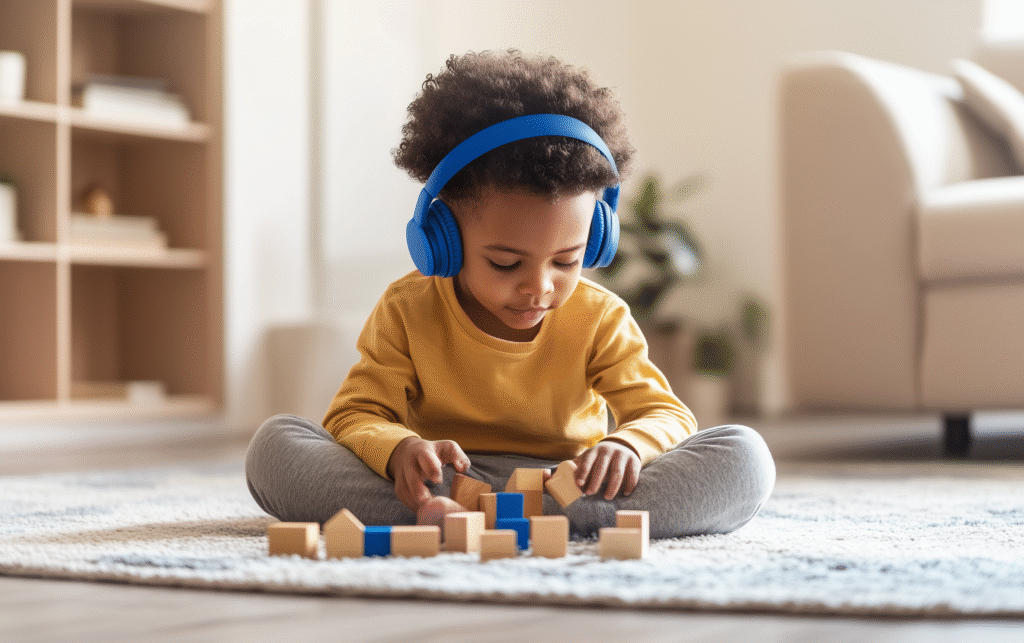
- Provide choices: headphones, sunglasses, fidgets, chewable jewelry
- Allow breaks: time to decompress and regulate
- Respect communication: honor when someone says “this is too much”
- Use visual schedules and predictable routines
- Avoid shaming or punishing sensory responses
When people are supported in regulating their sensory environment, they can better access learning, relationships, and overall well-being.
Sensory strengths
It is important to remember that people with heightened sensory processing also often experience deep sensory joys, such as:
- Finding comfort in soothing textures or movements
- Noticing patterns, details, or aesthetics others miss
- Having rich internal experiences and experiencing vivid and meaningful inner worlds
- Connecting deeply with music, rhythm, or nature
By embracing sensory diversity, we honor these unique ways of perceiving and engaging with the world—not just as difficulties, but as valuable and enriching differences.
Sensory overload is a real and meaningful part of life for many neurodivergent individuals. It stems from biological differences in how the nervous system processes input, and it is not something that needs to be “fixed,” but understood, respected, and accommodated.
By embracing neurodiversity, we can move beyond outdated models of behavior and pathology, and toward a world where everyone’s sensory needs are honored and celebrated.
References
Marco, E. J., Hinkley, L. B., Hill, S. S., & Nagarajan, S. S. (2011). Sensory processing in autism: A review of neurophysiologic findings. Pediatric Research, 69(5 Pt 2), 48R–54R. https://doi.org/10.1203/PDR.0b013e3182130c54
Green, S. A., Hernandez, L., Bookheimer, S. Y., & Dapretto, M. (2015). Salience network connectivity in autism is related to sensory abnormalities and social impairments. Cerebral Cortex, 27(2), 1359–1370. https://doi.org/10.1093/cercor/bhv351
Schauder, K. B., & Bennetto, L. (2016). Toward an interdisciplinary understanding of sensory dysfunction in autism spectrum disorder: An integration of the neural and symptom literatures. Frontiers in Neuroscience, 10, 268. https://doi.org/10.3389/fnins.2016.00268