Why self-worth matters for autistic children and teens

For autistic children, navigating a world that isn’t built for them can be exhausting. Social isolation, bullying, and the pressure to “mask” their true selves can take a toll, leading to anxiety and low self-esteem. And these struggles don’t just disappear in adulthood—they shape long-term mental health and well-being. That’s why self-worth is everything. When […]
Speech delay vs. autism: what parents need to know

You have noticed that your child does not appear to be developing speech as fast as other children you know. What should you know about your late talker? Is this just a normal variation in development of speech, is it a speech delay, or should you be thinking about autism? What does neurotypical speech development […]
Why social skills training often fails autistic individuals

Understanding social skills training and its challenges For many parents of autistic children, navigating social interactions can be a source of concern. It’s common to wonder if social skills training will help their child feel more comfortable in social situations. While the intention behind these programs is often positive, the reality is that many traditional […]
Finding an alternative to ABA therapy: a parent’s story

Next steps after my child’s autism diagnosis When I learned that my son was autistic, the first sentence I heard was “Get him signed up for ABA.” I was told it was a behavioral intervention and that if I did it, my life would become better. Of course we immediately enrolled in an ABA program. […]
Understanding stimming in autism spectrum disorder: a parent’s guide to acceptance and support

Understanding the challenges and beauty of stimming Imagine being in a crowded place, like a grocery store, and your child begins to chew on her shirt. While they are processing the environment, you feel self-conscious, worried about how others might perceive the behavior. In these moments, it’s easy to feel torn between supporting your child’s […]
What is a comprehensive autism evaluation? A complete guide for parents

When to consider an autism evaluation for your child The decision to pursue an autism evaluation for yourself or your child is a big one. It can be costly in terms of time, energy, emotional bandwidth, and money. But many feel it is an important step for better understanding. People commonly seek an assessment as […]
How to potty train autistic children: a neurodiversity-affirming approach to toilet training
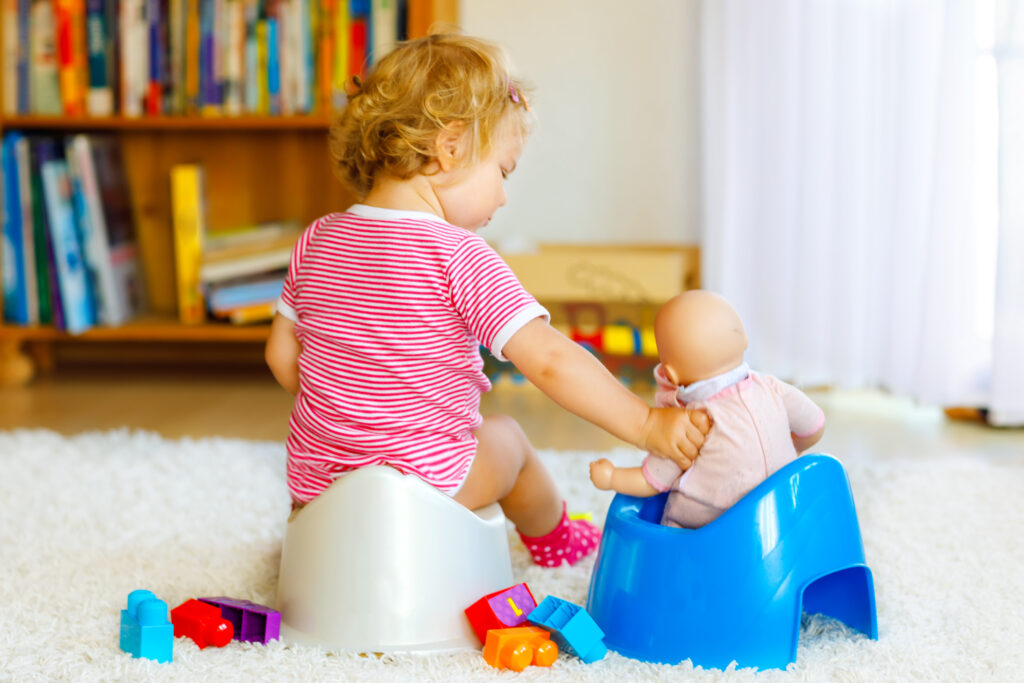
Toilet training (commonly referred to as potty training) is a significant milestone in a child’s development, but it can feel overwhelming—especially for autistic children who may have unique sensory, communication, motor, or routine-based needs. The process of transitioning from diapers or pull-ups to consistent toilet use requires patience, flexibility, and a respectful, child-centered approach. Caregivers […]
The importance of sleep for autistic children: a guide to better rest

Sleep challenges are incredibly common among neurodivergent children, particularly those who are autistic and/or who have ADHD. Research shows that 50-80% of autistic children struggle with sleep disorders. In this post, we’ll explore why sleep is essential for neurodivergent children, how poor sleep affects both children and their families, and practical strategies to help improve sleep quality. If you’re a parent looking for guidance, you’re in the right place.
Essential terms to know for parents of newly diagnosed autistic children
Understanding and navigating the world of neurodivergent care is essentially like learning a new language. It can be confusing to understand all the different terminology, especially because there are so many words that overlap in meaning or sound similar.
Eye contact and autism in toddlers: what parents need to know

Eye contact is one of the first ways neurotypical babies and toddlers show connection. It’s how they share interests, build relationships, and express emotions. When a toddler avoids eye contact, it’s natural for parents to wonder if it’s a phase or something more, like a sign of autism.