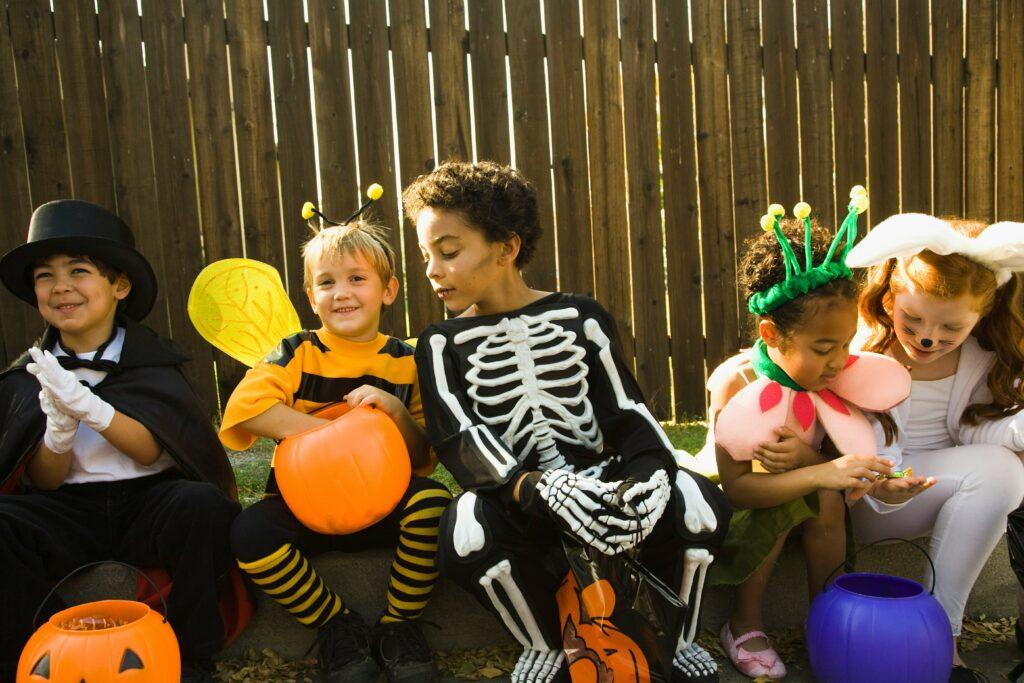


Celebrating Halloween can be a very exciting and memorable part of childhood, one that should be accessible to all kids who want to participate. Halloween is a great opportunity to let a child’s creativity shine — a time to dress up like your favorite character, person, object, or theme. And, getting candy or prizes in itself can make the celebration a great one, no costume needed!
Traditional Halloween celebrations can be difficult to navigate for those with different sensory needs and those who thrive on familiarity and routine. Trick-or-treating often involves itchy costumes, suffocating masks, bright festive lights, unfamiliar houses, swarms of odd-looking people in costumes, interactions with complete strangers, and a big change in routine (what do you mean we’re walking around the neighborhood at nighttime?). Additionally, parents of all kids may get understandably nervous when thinking about their child walking around to unfamiliar houses or on unfamiliar streets.
Chances are what matters most to you on this occasion is that your child just has a good experience and enjoys themselves. If participation in Halloween is a goal for you and your child, here are some creative ways to celebrate that incorporate your child’s unique skills, needs, and interests.
Trick-or-treat alternatives
Look for alternative Halloween-inspired activities in your area. Options like Trunk or Treats during the daytime allow for the trick-or-treating experience but in a smaller, more comfortable setting. Family-friendly Halloween events may have activities other than trick-or-treating, such as art projects, bubbles, sensory bins, and music or dancing. Consider throwing a costume parade or trick-or-treating around your house, with the adults handing out candy or dressing up along with the kids. A costume party or gathering at home with a few close friends or family members may create opportunities to participate in Halloween festivities in a more familiar and comfortable environment. Lastly, you could arrange a more traditional trick-or-treat activity, but only at a familiar adult’s house, such as a grandparent or a family friend.
Trick-or-treat practice
If your child wants to participate in traditional trick-or-treating but feels nervous about it or has never done it before, you can practice the skill in the weeks leading up to the event:
- Explain what will happen in understandable language at a time when your child is regulated and ready to have a discussion.
- Answer their questions.
- Show them what trick or treating looks like (you can act it out for them by recruiting the help of another family member).
- Practice. Have the child hold their trick-or-treating bucket and practice knocking on a bedroom door. You can answer it (in costume or not) and practice what the interaction will look like. You can also try this out at a familiar friend or family member’s house.
For those who are still hesitant on the day of, you can join in and show them how:
- Walk up to the house with your child and your own bucket.
- Greet the person, hold out your own bucket, and say “trick or treat” or otherwise interact in the way that best fits your child’s needs and abilities.
- Do this for several houses and your child may show interest in joining in.
Be proactive
Before you leave the house for your event, ask your child if there’s anything they’d like to bring with them. It’s okay if your child wants to carry a favorite plushie or sensory toy around with them (maybe in their candy bucket for safety). An extra bit of comfort might help them stay regulated during this unfamiliar experience. If your trick-or-treat route involves a lot of walking, consider bringing a wagon to help with tired feet and to create a safe space if the celebration becomes too much. Wagons can also help reduce the chances of wandering. You can even deck the wagon out to be a part of the costume, maybe turning it into a race car or a pirate ship.
During the event, be sure to refresh your child on what to expect prior to each house visit and check in with them to see if they are still interested in participating. Visiting just a few houses might be enough to create a fun memory for you and your child. Remember, there is no timeline for trick-or-treating! If it takes your child a few extra minutes to approach a new adult, or a few extra minutes to choose their favorite candy from the bowl, that is okay. If you are the one handing out candy, maybe offer two options (one in each hand) rather than a whole bowl of candy to make the choice easier.
Costumes
Although we tend to think of Halloween as synonymous with dressing up, your child can still have fun and participate without wearing a costume. If your child wants to wear a costume but you can’t seem to find one that works for their sensory needs, this might be a time to get creative. You could make a costume out of their known, familiar clothes by drawing on them with washable fabric chalk. There are many options for simple, soft T-shirts with favorite characters or designs printed on them. Stickers or a prop (such as holding a fairy wand) could work wonderfully as a costume alternative. Allow your child to choose a costume that aligns with their special interest; Halloween is a perfect opportunity to let their creativity and individuality shine.
One other thing to consider – there is no requirement for wearing a costume for the whole event. It might be helpful to bring backup clothes to change into, so your child can continue having fun without being weighed down by uncomfortable frills and fabrics.
Communication
Speaking is not a necessary part of the trick-or-treating process. Simply holding out a candy bucket is a great option for communication without requiring that your child use words. You could also tape a “Trick-or-Treat” picture onto your child’s candy bucket for ease of communication. Other symbols such as “Hi”, “Thank you!”, and “Happy Halloween” could be added to the bucket if your child desires!
Not all Halloween celebrations will look the same, and that’s okay! If participating in this holiday is something that you and your child value, there are many ways to make it feel safe and sensory-friendly for your child. If plans change partway through the night, that’s okay too. Be flexible with your expectations going into the event. If your child feels overwhelmed it is okay to head back into the safety of your own home or take a break outside. No matter how you celebrate, allowing and encouraging your child to celebrate in a way that is meaningful for them will make it a fab-boo-lous experience!